

Bahamas company formation
Understand the structures, local arrangements and practical requirements before you proceed.
The Bahamas offers several legal vehicles, including an International Business Company (IBC) under the International Business Companies Act and a Limited Liability Company (LLC). The right structure depends on the intended activities, ownership, management and where the business will operate.
Capitalite can help you assess the commercial purpose, discuss a suitable structure and coordinate an enquiry with an appropriately authorised local provider. Incorporation does not itself settle licensing, tax, banking or obligations in the countries where owners live or the business is managed.
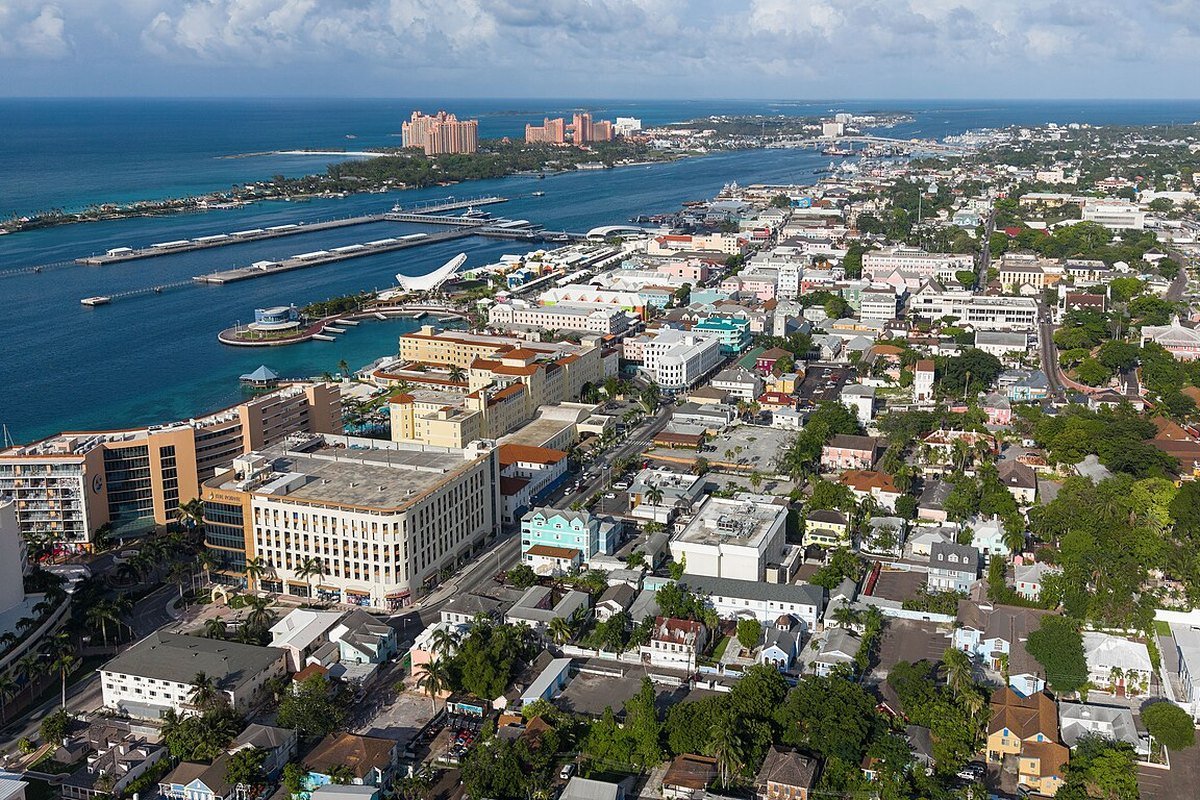
Photo: Quintin Soloviev (CC BY 4.0)
At a glance
- Structures
- International Business Company (IBC) and Limited Liability Company (LLC)
- Local arrangements
- Registered office and appropriately licensed corporate service provider
- Ongoing considerations
- Records, business licensing and activity-specific requirements
Requirements depend on the entity, its activities, ownership, management and current law. Confirm details with the local provider and relevant authorities.
Choose a structure for the business
An IBC and an LLC are different legal forms. Consider the intended activities, owners, decision-making arrangements, liability profile and future plans before choosing between them. Other vehicles may be relevant for regulated or specialised activities, but availability and requirements must be confirmed for the specific case.
Do not select an entity on the assumption that a particular tax result, privacy outcome or bank account is automatic. Tax treatment can depend on the income, activities, management and the residence of owners, while banks make their own onboarding decisions.
Local provider and incorporation
The Bahamas International Business Companies Act provides for registered-agent arrangements, and a person acting as a registered agent must be appropriately licensed. A local corporate service provider can explain the current incorporation steps, registered-office arrangements, documents and disclosures required for the selected structure.
Prepare the proposed company name, a clear activity description, ownership and control details, and information about where the business will be managed. Individual and corporate owners may be asked for identity, address and supporting company records as part of due diligence.
Business licensing and permitted activities
Company incorporation and permission to carry on a business are separate matters. The Bahamas Department of Inland Revenue states that a person operating a business in The Bahamas must apply for a business licence under the Business Licence Act 2023. The applicable process, fees and approvals depend on the activity and current rules.
Regulated financial services, insurance and other controlled activities may require additional permissions from the relevant regulator. Confirm the activity and licensing route before incorporation or beginning operations; a company certificate is not a substitute for a sector licence.
Tax, banking and international considerations
Do not assume that a Bahamas entity has no tax or reporting obligations. Business-licence, VAT and other requirements may apply according to the business and its activities. The owners’ countries of residence and the place of effective management may also create obligations outside The Bahamas. Obtain advice for the full ownership and operating picture.
A company’s incorporation does not guarantee that a bank or payment provider will open an account. Providers assess the entity, owners, business purpose, expected transactions and supporting evidence independently. Consider banking needs early and prepare a consistent explanation of the business and its funding.
Records and ongoing administration
Plan from the start how the company will keep its corporate and accounting records, maintain ownership information and respond to official correspondence. Ask the local provider for the current obligations that apply to the chosen vehicle, including any filings and renewal dates.
Keep evidence for transactions, funding and decisions. Contracts, invoices, bank records and written approvals help the company explain what it does and support ongoing accounting, tax and compliance work.
Plan the enquiry and the first year
For an initial discussion, outline the proposed activities, customer and supplier locations, ownership, management, expected transactions and intended use of the company. Mention any regulated activity, local staff or premises, and the support you are seeking.
The selected local provider can confirm the document checklist and current filing timetable after reviewing the proposed structure. Formation, any business licence, tax registrations and bank applications are separate processes; allow for each rather than relying on a single incorporation date.
The Bahamas at a glance
Jurisdiction
- Overview
- The Commonwealth of The Bahamas, an archipelago in the Atlantic and Caribbean region.
Official language
- Overview
- English. Confirm any transaction-specific language requirements with local advisers.
Currency
- Overview
- Bahamian dollar (BSD), pegged at par to the US dollar by the Central Bank of The Bahamas.
Business licensing
- Overview
- Separate from incorporation. The Department of Inland Revenue says persons operating a business in The Bahamas must apply under the Business Licence Act 2023.
Tax and indirect-tax treatment
- Overview
- Do not assume a universal exemption or rate. Confirm current obligations for the entity, its activity and owners with qualified tax advisers.
Company structures mentioned in the source
International Business Company (IBC)
- General form
- A company incorporated under the International Business Companies Act.
- Questions to assess
- Confirm eligibility, permitted activities, registered-agent arrangements, records and applicable licensing.
Limited Liability Company (LLC)
- General form
- A company formed under the applicable LLC legislation.
- Questions to assess
- Review the operating agreement, member and manager roles, liability and tax treatment for the owners.
Segregated Accounts Company (SAC)
- General form
- A company able to create distinct segregated accounts under the applicable legislation.
- Questions to assess
- Check whether the structure is available for the proposed activity and whether the required regulatory authorisation applies.
Exempted Limited Partnership (ELP)
- General form
- A partnership form with general and limited partner roles under the ELP Act.
- Questions to assess
- Clarify who manages, each partner’s liability, the partnership agreement and the activities permitted.
Non-profit company
- General form
- A company form for qualifying non-profit purposes; separate NPO registration obligations may also apply.
- Questions to assess
- Confirm eligible purposes, constitutional documents, reporting and registration under the Non-Profit Organisations Act.
Foundation
- General form
- A separate legal vehicle established under the Bahamas Foundations Act.
- Questions to assess
- Assess the foundation’s purpose, founder, council, beneficiaries and registered-agent requirements.
Opportunities and practical considerations
Regional position
- What to consider
- Its Atlantic location and proximity to North American markets may be relevant to some cross-border businesses; assess routes, customers and supply chains for your own activity.
Business environment
- What to consider
- English is the official language. Consider the local market, workforce, operating costs and whether the company will serve domestic or international customers.
Compliance and licensing
- What to consider
- Incorporation, business licensing and permissions for regulated activities are distinct steps. Identify each responsible provider, regulator, application and renewal before operating.
Market and operating costs
- What to consider
- Estimate premises, staffing, utilities, imports and professional support against expected revenue. A structure that works legally may still be unsuitable commercially.
This is a planning overview, not a legal or tax opinion. The descriptions are not a complete list of every vehicle, and requirements can change. Confirm the current position with an appropriately licensed Bahamian provider and relevant authorities.
Discuss your Bahamas company plans with Capitalite
Tell us about the proposed activity, ownership, management and support you need. We can help identify the questions to resolve with the local provider.
Frequently asked questions
What company structures are available in The Bahamas?
The IBC and LLC are two available forms, but the appropriate vehicle depends on the intended activity and requirements. Other structures may be relevant in particular cases. Ask an appropriately licensed local provider to confirm current options.
Can non-residents own a Bahamas company?
The answer depends on the company type, activity and any applicable sector rules. Owners and controllers must provide information required for due diligence and regulatory disclosures. Confirm the requirements for your proposed structure before proceeding.
Is a registered agent required?
The Bahamas IBC Act provides for registered-agent arrangements and requires an appropriately licensed person to act in that capacity. Ask the local provider to confirm the obligations for the entity type you are considering.
Does incorporation include a business licence?
No. Incorporation and permission to operate are separate matters. The Bahamas Department of Inland Revenue says that a person operating a business in The Bahamas must apply for a business licence under the Business Licence Act 2023. Confirm how the rules apply to your activities.
Is a Bahamas company automatically tax-free?
No blanket tax outcome should be assumed. Business-licence, VAT and other obligations can depend on the entity, activities and current law. Owners may also have tax or reporting duties in their country of residence or where the company is managed. Take advice on the full circumstances.
Will a Bahamas company be accepted by a bank?
Not necessarily. Each bank or payment provider applies its own eligibility, due-diligence and onboarding requirements. Incorporation does not guarantee account approval. Assess providers and prepare the business profile, expected transactions and source-of-funds information in advance.
What should I prepare before enquiring?
Outline the business purpose, activities, ownership and management, expected customers and suppliers, likely transactions, and any local presence or regulated activity. Do not send passports, account credentials or sensitive financial records through the initial enquiry form.
Company formation enquiry
Tell us where you would like to establish your company and a little about your plans. If you are unsure which jurisdiction or structure is suitable, we can discuss the available options.
Fields marked * are required.